
Summer Bass Fishing targets shaded, oxygen-rich waters. Focus on early mornings and late evenings using topwater lures or buzzbaits. As the sun gets high, transition to deep-water structures like ledges and brush piles, or punch heavy vegetation with jigs and Texas-rigged plastics.
You have to focus on areas that get the full force of the sun early, because they will be too hot for the bass within the first few hours of the day. Once it gets too hot, you will have to turn your attention to the shady spots to maximize your summer bass fishing results.
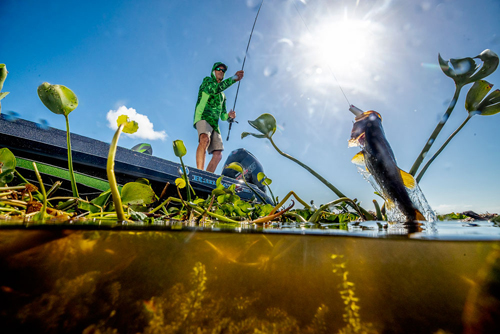
Catching largemouth bass during the summer months can be one of the most exciting fishing experiences anglers have all year. Warm water conditions increase a bass’s metabolism, which causes it to feed more often. Bass are also very predictable in warm water conditions. With the lack of weather fronts that cause frequent changes in water temperature, bass stabilize and become comfortable in the same areas. Though bass are easiest to catch in the summer months, remember the following key factors to ensure success: know their location and determine their food source.
Where to Find Summer Bass Fishing
To locate Summer Bass Fishing Tips and Techniques, you need to determine a lake’s composition. Separate lakes into two basic categories – reservoirs or natural lakes – to establish the places largemouth bass call home during the warm water months. Artificial reservoirs present different options than natural lakes. However, a bass requires certain core items to survive: shelter, food, and oxygen. Regardless of the lake composition, bass will seek these items. Understanding the lake composition from the start helps anglers determine where to locate bass.
Master the Sun and Shade Patterns
- Target the Shade: Bass hate direct sunlight just as much as you do. When the sun is high, target heavy cover such as boat docks, overhanging trees, and thick, matted vegetation that casts shadows into the water.
- Fish Early and Late: Low-light conditions trigger aggressive feeding windows. Use topwater walking baits, poppers, or Whopper Ploppers early in the day.
- Current & Wind: Always look for moving water or wind-blown banks. Wind pushes baitfish and oxygen into specific areas, making bass highly active